High performance isn’t sustained by discipline.
It’s built on how energy is managed.
Sustainable output in high-demand environments requires structural energy design — not more pressure, perks, or productivity hacks.
Not a burnout talk.
Not a wellbeing workshop.
Structural performance design.
The Business Risk of Unmanaged Energy
Capacity Erodes Before Output Drops
Performance rarely fails from lack of effort. It fails when working rhythms, physical capacity, and relational strain quietly drain energy.
Output can look strong while the system underneath it is weakening.
Volatility Is the First Warning
When capacity declines, performance becomes inconsistent.
Attention fragments.
Decisions slow.
Emotional tolerance narrows.
The organisation absorbs this through reduced consistency, avoidable error, absenteeism, and presenteeism.

Growth Magnifies the Risk
The real challenge isn’t hitting targets.
It’s sustaining the people required to hit them.
With increasing pace and AI integration, cognitive and emotional load is rising — not stabilising.
Without structural intervention, performance is borrowed and increases hidden costs.
Built From Experience, Backed by Evidence
I spent over 20 years working inside extreme high-pressure, performance-driven environments.
I know the pace. I know the pressure. I’ve learned the limits of “just push harder” first-hand.
Protecting energy wasn’t a theory. It was survival — and eventually, strategy.
Today, my work combines lived experience with professional rigour.
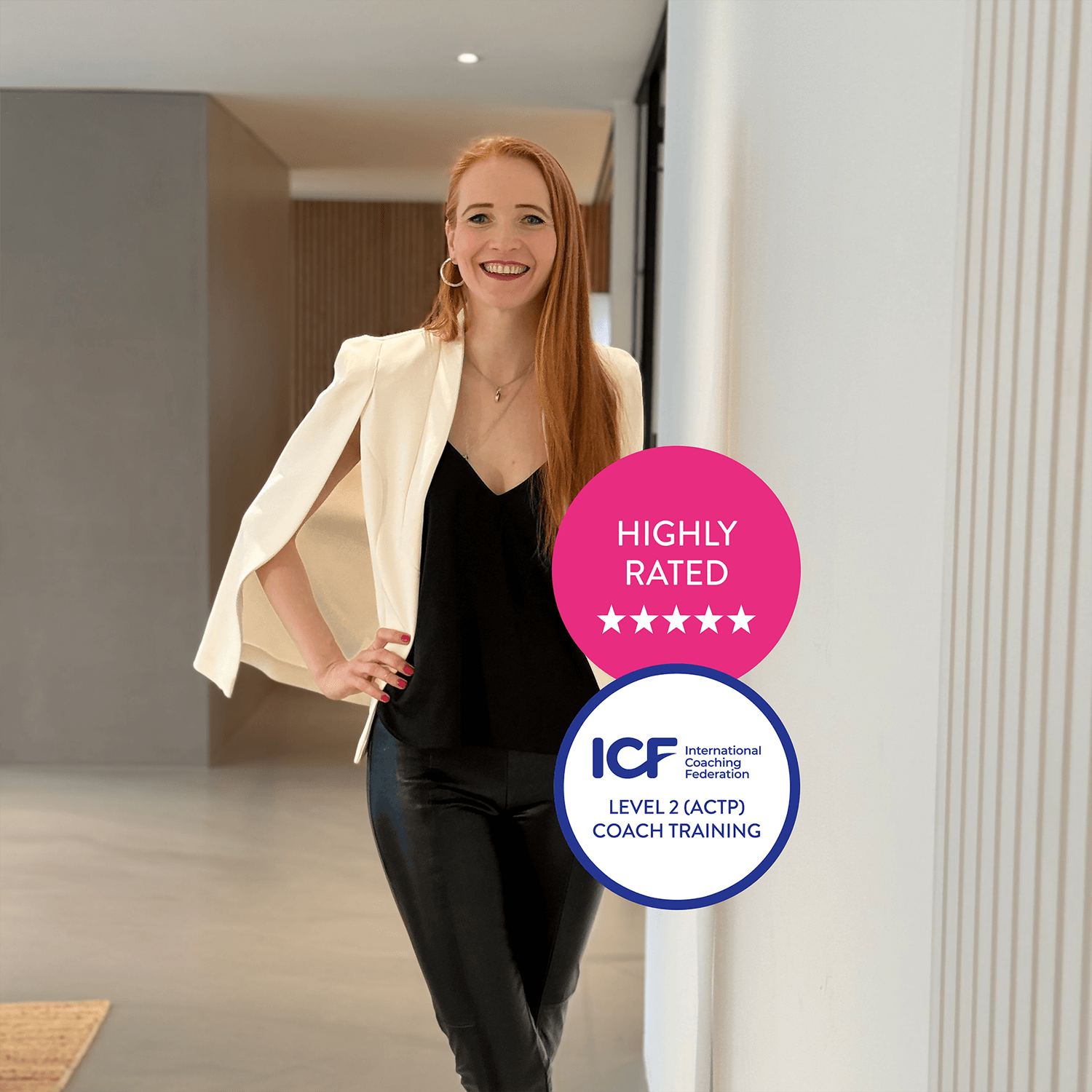
ICF Level 2 Certified Coach
•
Trained to the highest professional coaching standards
•
Integrates neuroscience, physiology, and performance psychology.
•
Designed for sustainable, long-term change — not quick fixes
My programs are grounded in evidence-based practice, ensuring the tools align with how people actually function cognitively, emotionally, and physically in high-demand roles.
This is not performative wellbeing.
It’s practical performance design, built from years of real-world experience.
Resilient Performance Principles
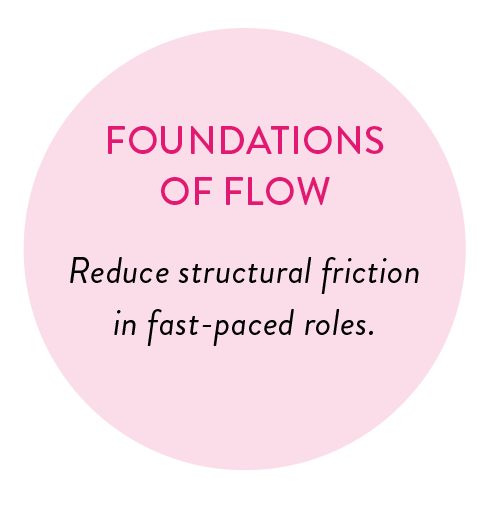
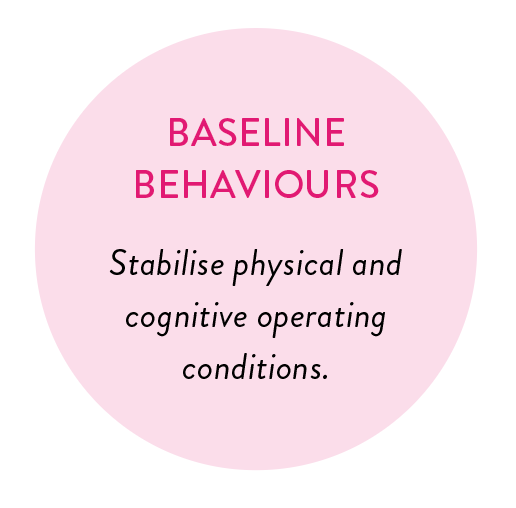
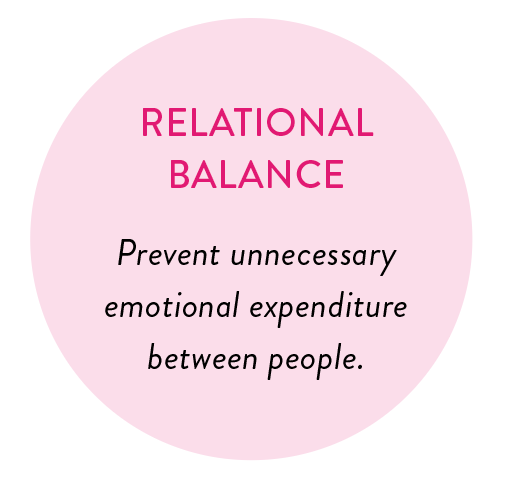
Operational Pressure Patterns
In high-responsibility, fast-moving environments, certain strains surface repeatedly.
Not because people are incapable, but because the system is demanding more transitions, more decisions, and more emotional regulation than it is designed to sustain.

Constant
Transitions
Frequent switching between tasks, clients, systems, and decisions without pause. Attention fragments. Details drop. Cognitive friction increases.

Sustained Pace Without Capacity Maintenance
Output remains high while recovery shortens.
Tolerance narrows.
Volatility increases.

Relationship Management Without Recovery
Professional composure is maintained, but emotional residue accumulates.
Boundaries blur. Energy is quietly spent.
If these patterns are present, performance strain is structural — not personal.
What Changes After Implementation
Improved attention consistency
•
Reduced cognitive friction
•
Better emotional regulation under pressure
•
Clearer transitions between demands
•
More stable output without increasing pressure
You're buying outcomes, not philosophy.
Investment Options
PERFORMANCE ARCHITECTURE: FOUNDATION
What it is
A focused, interactive workshop introducing the core principles of sustainable performance and energy management at work.
What’s included
The session provides a clear framework for understanding where energy is lost during the working day, and practical guidance participants can apply immediately to reduce friction, improve focus, and work more sustainably.
How it’s used
Well-suited as a pilot, standalone session, or part of a wider well-being or performance programme.
Program Workshop (90–120 minutes)
•
In-person or virtual
OUTCOME:
Awareness + immediate application
PERFORMANCE ARCHITECTURE: INTEGRATION
What it is
An extended option combining the group workshop with individual coaching to support deeper integration of the principles into personal objectives.
What’s included
Alongside the core workshop, participants receive 3–6,
1:1 coaching sessions, using a structured Coaching Protocol.
Why this option
Individual coaching allows participants to explore personal contexts and goals, supporting clearer decision-making, habit change, & accountability.
Program Workshop (90–120 minutes) + 1:1 Coaching
•
3-6 individual coaching sessions per participant
•
In-person or virtual
OUTCOME:
Deeper integration + personalised action
Sustainable performance is not a wellbeing initiative.
It is a structural business decision.
Home | Contact | T's & C's | Privacy Policy | Disclaimer | FAQ's
Fenella Danae 2025 Copyright


